

Understanding the Steps in Demolition Process: A Guide for Homeowners and Businesses in Sydney

Demolishing a house is a big decision. It involves more than just knocking down walls. There are rules to follow, safety to consider, and waste to manage. If you are planning to demolish a property in Sydney, understanding the steps involved can make the process smoother and less stressful. I want to share what I have learned about the house demolition process, so you can feel confident and prepared.
Why Knowing the Steps in Demolition Process Matters
Demolition is not just about destruction. It is about clearing the way for something new. Whether you want to build a new home, expand your business, or simply remove an old structure, knowing the steps helps you avoid surprises. It also ensures the work is done safely and legally.
For example, did you know you need a permit before starting demolition in Sydney? Or that some materials must be recycled instead of thrown away? These details can save you time and money. They also protect the environment and your neighbours.
By following the right steps, you can:
Prevent accidents and injuries
Comply with local laws and regulations
Reduce waste going to landfill
Save on disposal costs
Keep your project on schedule
Understanding these steps is the first move towards a successful demolition.
The Essential Steps in Demolition Process
Let’s break down the main steps you will encounter when demolishing a house in Sydney. Each step is important and builds on the previous one.
1. Planning and Assessment
Before any physical work begins, you need to plan carefully. This includes:
Inspecting the property to identify hazardous materials like asbestos
Checking local council requirements and obtaining necessary permits
Hiring a licensed demolition contractor with experience in Sydney
Creating a demolition plan that covers safety, waste management, and timelines
Planning helps you avoid delays and unexpected costs. It also ensures the demolition is done responsibly.
2. Disconnecting Utilities
Safety is a top priority. Before demolition, all utilities must be safely disconnected. This means:
Turning off electricity, gas, and water supplies
Informing utility companies about the demolition date
Ensuring no live wires or pipes remain in the structure
This step prevents accidents such as fires, explosions, or flooding during demolition.
3. Salvaging and Recycling
Not everything in the house needs to be destroyed. Many materials can be salvaged or recycled, which supports sustainability. Common items to recover include:
Timber and wood for reuse or recycling
Metals like copper, steel, and aluminium
Bricks and concrete that can be crushed and reused
Fixtures and fittings that are still in good condition
Recycling reduces landfill waste and can lower disposal costs. It also aligns with Sydney’s environmental goals.

4. Actual Demolition Work
Once planning, disconnection, and salvaging are done, the physical demolition begins. This can involve:
Manual demolition for delicate or small areas
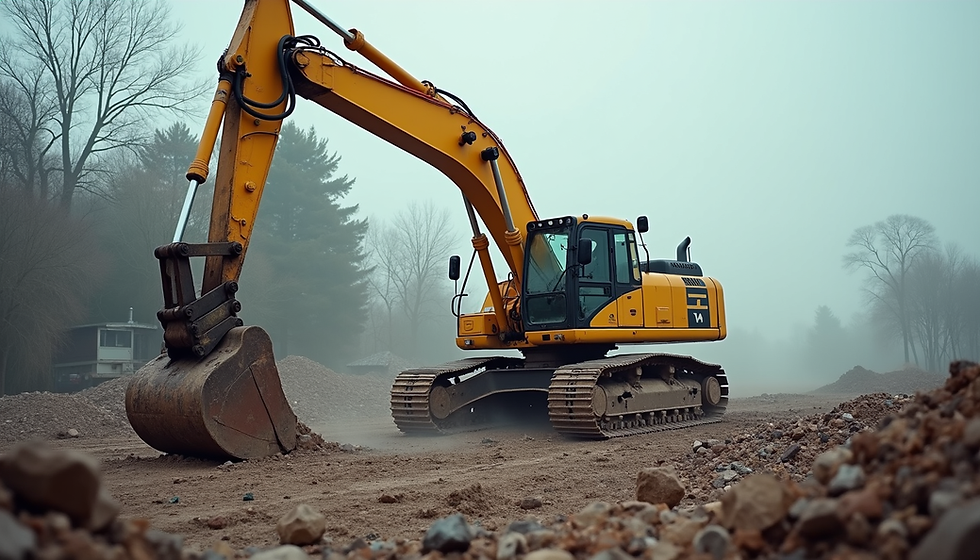
Mechanical demolition using excavators and bulldozers for larger structures
Controlled demolition to ensure safety and minimise dust and noise
The contractor will follow the demolition plan closely to protect workers and neighbours.
5. Site Cleanup and Waste Disposal
After the structure is down, the site must be cleaned. This includes:
Removing debris and hazardous materials
Sorting waste for recycling or disposal
Leveling the ground for future use
Proper cleanup leaves the site safe and ready for the next stage of your project.

What are the steps in a demolition process?
To recap, the steps in a demolition process typically include:
Planning and assessment - Understand the site and legal requirements.
Utility disconnection - Ensure all services are safely turned off.
Salvaging and recycling - Recover materials to reduce waste.
Demolition work - Carry out the physical removal of the structure.
Site cleanup - Clear debris and prepare the land for future use.
Each step requires attention to detail and professional expertise. Skipping any step can lead to problems later on.
How to Choose the Right Demolition Contractor in Sydney
Choosing the right contractor is crucial. Here are some tips to help you pick a reliable team:
Look for licensed and insured contractors with good reviews
Ask about their experience with similar projects in Sydney
Check if they follow safety and environmental standards
Confirm they handle permits and paperwork for you
Discuss their recycling and waste management practices
A good contractor will guide you through the entire process and keep you informed.
Why Sustainable Demolition Matters
Sustainability is more than a buzzword. It is a responsibility. Sydney is committed to reducing landfill waste and protecting the environment. By choosing demolition services that prioritise recycling and reuse, you contribute to this goal.
Sustainable demolition means:
Minimising waste sent to landfill
Using eco-friendly equipment and methods
Salvaging materials for reuse
Reducing pollution and dust during demolition
This approach benefits the community and future generations.
Final Thoughts on Demolition in Sydney
Demolishing a house is a complex task, but it does not have to be overwhelming. By understanding the house demolition process, you can make informed decisions and work with professionals who care about safety and sustainability.
Remember to plan carefully, hire the right experts, and prioritise recycling. This way, your demolition project will be smooth, safe, and environmentally friendly. Whether you are a homeowner, business, or contractor, these steps will help you achieve your goals with confidence.
If you want a demolition service that values precision, safety, and green practices, consider companies like Memates Demolition. They are known for their expert approach and commitment to reducing landfill waste in Sydney.
Taking the time to understand the process is the best first step towards a successful demolition project.


Comments